

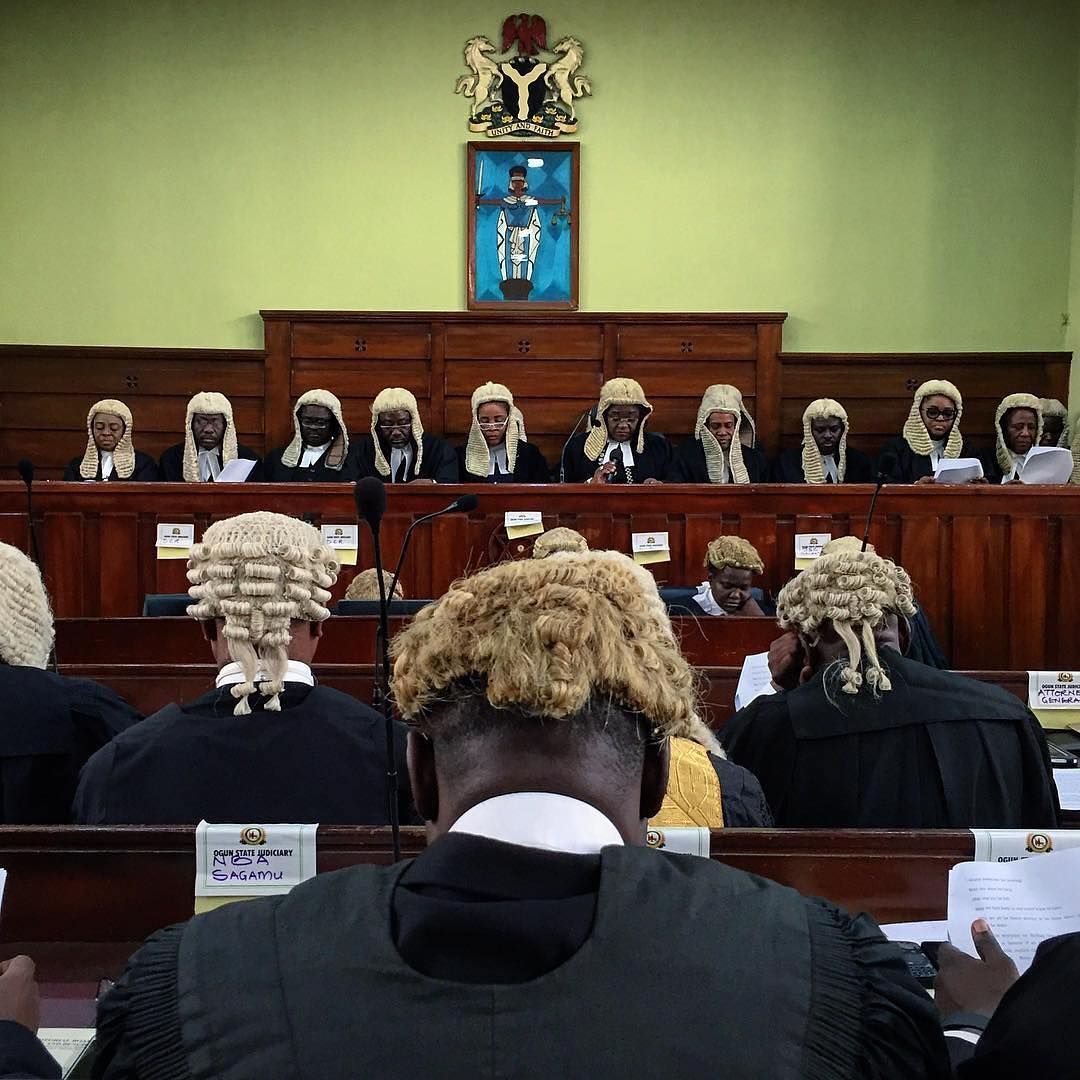
In today’s complex business environment, legal disputes are often inevitable — from contract breaches to shareholder disagreements and regulatory compliance issues. For corporate entities operating in Nigeria, understanding how the Nigerian court system works is essential to navigating these challenges effectively. This knowledge not only saves time and cost but also ensures strategic decision-making when legal matters arise.
At Penlit & Greyson Law Firm, we help businesses understand and navigate the Nigerian judicial landscape with clarity, confidence, and compliance.
Overview of the Nigerian Court Structure
The Nigerian court system operates on a hierarchical structure designed to handle various types of legal matters — civil, criminal, commercial, and constitutional. For corporate entities, the key courts to understand include:
1. Supreme Court of Nigeria
The Supreme Court is the highest court in the country. Its decisions are final and binding. For corporate matters, it mainly handles appeals from the Court of Appeal on complex legal issues such as commercial disputes, constitutional matters, or significant corporate law precedents.
2. Court of Appeal
The Court of Appeal hears appeals from the High Courts, Federal High Courts, and specialized tribunals. Corporate cases involving company law, taxation, and intellectual property often reach this level.
3. Federal High Court
The Federal High Court plays a critical role in corporate and commercial litigation. It has jurisdiction over matters such as:
- Company law and business registration issues
- Taxation and revenue disputes
- Admiralty and shipping
- Intellectual property and copyright infringement
- Banking and financial matters
- Disputes involving federal government agencies
For most corporates, the Federal High Court is the first stop in resolving major business-related disputes.
4. State High Courts
Each state in Nigeria has a State High Court, which handles civil and commercial cases not exclusively reserved for the Federal High Court. Matters such as contract breaches, real estate disputes, or employment-related claims often fall within its jurisdiction.
5. National Industrial Court (NIC)
The National Industrial Court exclusively handles employment and labour-related disputes. For companies, this includes wrongful termination, labour union issues, and workplace compensation claims.
6. Specialized Tribunals
Nigeria also has specialized tribunals designed to handle specific corporate and regulatory disputes, such as:
- Investment and Securities Tribunal (for capital market disputes)
- Tax Appeal Tribunal
- Competition and Consumer Protection Tribunal
These tribunals offer faster and more specialized resolution options for corporations.
Key Legal Considerations for Corporates in Nigerian Courts
1. Jurisdiction Matters
Before filing or responding to a case, it is crucial to determine the proper court with jurisdiction. Filing in the wrong court can lead to costly delays or outright dismissal.
2. Alternative Dispute Resolution (ADR)
Nigerian courts encourage ADR mechanisms such as arbitration, mediation, and negotiation. Many contracts now include arbitration clauses to reduce litigation time and maintain business relationships.
3. Enforcement of Judgments
Corporate entities must understand both local and foreign judgment enforcement procedures. The Sheriffs and Civil Process Act governs enforcement in Nigeria, while reciprocal enforcement treaties handle foreign judgments.
4. Corporate Compliance and Record-Keeping
Strong internal compliance systems and documentation can make or break a case. Maintaining accurate records of transactions, board resolutions, and contracts ensures credibility and transparency in court proceedings.
Why Legal Representation Matters
For corporates, litigation or regulatory proceedings require strategic legal representation. A knowledgeable law firm ensures:
- Proper case filing and jurisdiction management
- Effective presentation of evidence
- Negotiation for settlements when appropriate
- Protection of the company’s reputation and assets
At Penlit & Greyson Law Firm, our corporate litigation and advisory team works with businesses to minimize risks, ensure compliance, and represent them efficiently across all levels of the Nigerian court system.
Conclusion
Understanding the Nigerian court system is not just about knowing where to file a case — it’s about strategic legal navigation that protects your business interests. Whether your company is facing a contractual dispute, tax investigation, or labour issue, having the right legal partner makes all the difference.
At Penlit & Greyson Law Firm, we help corporate clients make informed legal decisions, avoid procedural pitfalls, and achieve favorable outcomes in court and beyond.
Need Legal Guidance?
If your company is currently involved in a dispute or needs clarity on legal processes within Nigeria’s court system, our legal experts are ready to help.