

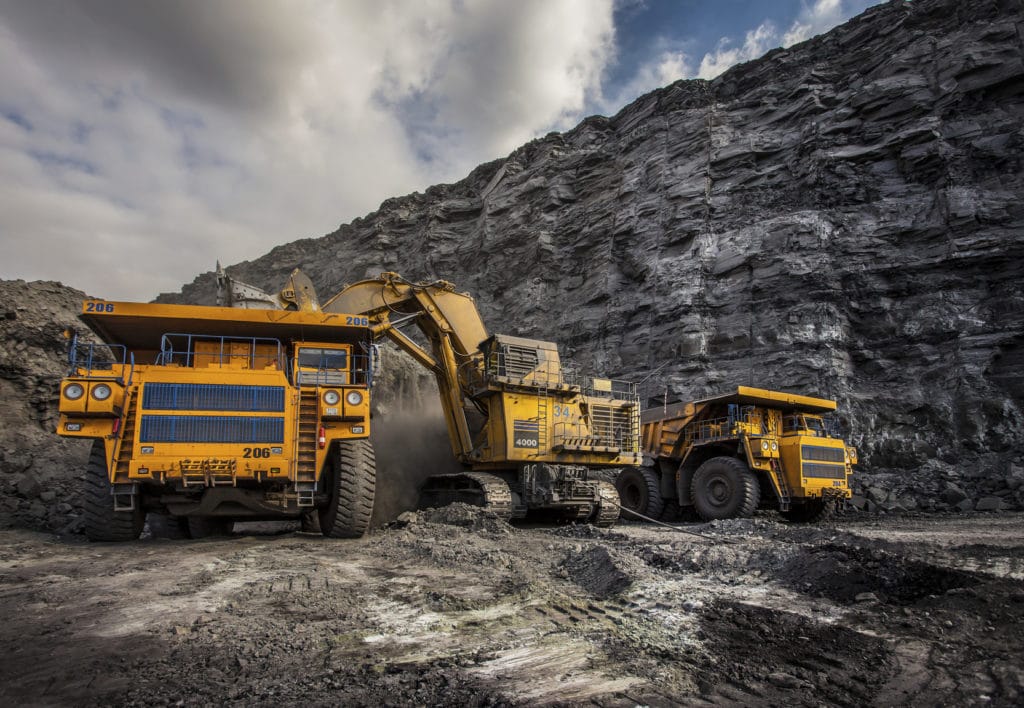
In the dynamic landscape of 2025, extractive industry projects in energy, natural resources, and infrastructure sectors face escalating legal challenges. From regulatory compliance hurdles to environmental litigation risks, these issues can delay projects, inflate costs, and threaten operational viability. In Nigeria and across Africa, where mining and oil/gas activities drive economic growth, firms must navigate complex frameworks to mitigate liabilities. At Penlit & Greyson Legal Practice, a premier intellectual property law firm in Nigeria, we specialize in providing robust legal services for technology platforms while extending expertise to extractive sectors through strategic advice on compliance and dispute resolution.
This article explores key legal challenges in extractive industry projects, drawing on recent developments to help stakeholders understand risks and solutions. Whether you’re involved in mining, oil exploration, or infrastructure development, proactive legal strategies are essential for sustainable success.
Regulatory Compliance: Navigating Evolving Laws in Africa
Regulatory compliance remains a core legal challenge for extractive industries in 2025. In Nigeria, the Petroleum Industry Act (PIA) of 2021 continues to shape operations, with amendments emphasizing transparency and environmental safeguards. Projects must adhere to the Mineral and Petroleum Resources Development Act equivalents, securing permits and conducting Environmental Impact Assessments (EIAs) before commencement.
Across Africa, frameworks like Guinea’s mining regulations highlight the need for alignment with international standards, such as those from the Extractive Industries Transparency Initiative (EITI), which promotes disclosure to combat corruption. Non-compliance risks license revocations, as seen in Nigeria’s planned revocation of over 1,000 inactive mining licenses in 2025. For energy projects, the EU’s Digital Services Act influences cross-border operations, mandating risk assessments.
Key risks include:
- Delays from permitting processes, with one-third of solar projects facing NEPA EIS challenges.
- Fines for failing to meet water usage or pollution standards in mining.
Penlit & Greyson assists clients with regulatory filings and audits to ensure seamless project execution.
Environmental Legal Risks: Pollution, Biodiversity, and Climate Litigation
Environmental concerns dominate legal risks in extractive projects, amplified by climate change and global standards. In 2025, pollution from mining tailings and gas flaring poses significant liabilities, as evidenced by Nigeria’s Federal High Court ruling on gas flaring disclosures. Extractive activities can lead to habitat loss and ecosystem degradation, triggering lawsuits under frameworks like the EITI’s environmental monitoring provisions.
In Africa, water extraction in arid regions exacerbates biodiversity risks, with projects required to conduct EIAs to assess impacts. Climate-related litigation is rising, with 95 cases worldwide since 2009 involving Indigenous communities against energy firms. Nigeria’s Nigeria Extractive Industries Transparency Initiative (NEITI) emphasizes accountability for oil company environmental obligations.
Common issues:
- Air and water pollution from smelting or drilling, leading to health claims.
- Catastrophic failures due to weather events linked to El Niño.
Our firm offers guidance on ESG compliance, helping mitigate these risks through tailored legal strategies.
Contractual and Investment Disputes in Infrastructure Projects
Contractual disputes arise from complex agreements in energy and mining ventures. In Nigeria, the PIA mandates audited accounts for non-producing companies, risking penalties for non-compliance. Infrastructure projects face challenges in public-private partnerships (PPPs), where delays from litigation can halt progress, as seen in U.S. Supreme Court rulings limiting environmental reviews.
Cross-border investments amplify risks, requiring alignment with international arbitration norms. In Africa, lithium mining value chain leakages highlight tax and revenue disputes. Geopolitical factors, like supply chain disruptions for critical minerals, add layers of complexity.
Strategies include:
- Robust licensing agreements to define ownership.
- Dispute resolution clauses to avoid costly court battles.
Penlit & Greyson excels in drafting and reviewing contracts to protect client interests.
Community and Social Impacts: Human Rights and Indigenous Rights
Social liabilities, including human rights violations, are critical in extractive projects. Communities often face displacement and health issues from pollution, leading to litigation. In Nigeria, illegal mining ties to security challenges, prompting bills like the Mines Rangers Service.
Free, Prior, and Informed Consent (FPIC) is mandated for Indigenous lands, with failures risking project halts. ESG disputes are rising, with mining linked to environmental and social harms.
Addressing these involves Community Development Agreements (CDAs) and Human Rights Impact Assessments (HRIAs).
Best Practices for Mitigating Legal Risks in 2025
To navigate these challenges:
- Conduct thorough EIAs and risk assessments early.
- Implement transparency via EITI standards.
- Engage stakeholders for social license to operate.
- Leverage technology for compliance monitoring.
In Nigeria, reforming critical minerals policies can unlock potential while addressing gaps.
How Penlit & Greyson Legal Practice Can Assist
As experts in legal services for technology platforms and beyond, Penlit & Greyson offers specialized support for extractive projects. From IP strategy in mining tech to regulatory compliance advice, our team ensures your ventures are legally sound. Contact us at [penlitgreyson.com/contact] for a consultation on energy law in Nigeria or natural resources legal issues.
Conclusion: Building Resilient Extractive Projects
Legal challenges in extractive industry projects demand foresight and expertise. By addressing regulatory, environmental, and social risks head-on, firms can achieve sustainable growth. Stay ahead in 2025—partner with Penlit & Greyson for comprehensive legal solutions. Visit [penlitgreyson.com/services] to learn more about our offerings in infrastructure projects legal risks and beyond.