

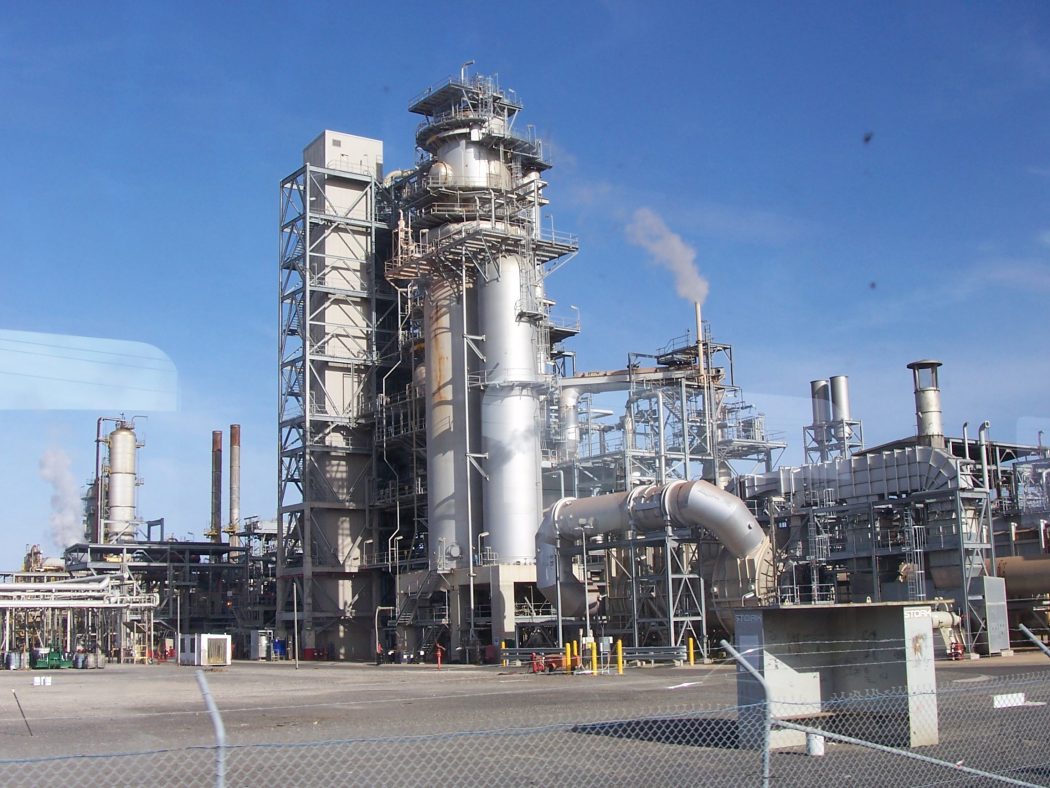
In Nigeria’s dynamic energy sector, local content requirements play a pivotal role in fostering economic growth, job creation, and technology transfer. Governed primarily by the Nigerian Oil and Gas Industry Content Development (NOGICD) Act of 2010, these regulations mandate that companies prioritize Nigerian goods, services, and personnel in oil, gas, and related infrastructure projects. As of 2025, with ongoing reforms under the Petroleum Industry Act (PIA) 2021 and executive orders, compliance is more critical than ever for operators in energy, natural resources, and infrastructure. Non-adherence can result in penalties, project delays, or loss of contracts.
At Penlit & Greyson Legal Practice, a leading law firm specializing in energy law in Nigeria, we provide expert guidance on navigating these requirements. Our legal services help businesses achieve compliance while maximizing opportunities in this thriving sector. Whether you’re an international investor or a local operator, understanding local content laws is essential for sustainable success.
Overview of Nigeria’s Local Content Policy in the Energy Sector
Nigeria’s local content framework aims to increase indigenous participation in the energy value chain, reducing dependence on foreign inputs. The NOGICD Act, enforced by the Nigerian Content Development and Monitoring Board (NCDMB), sets minimum thresholds for Nigerian content in contracts, procurement, and employment.
Key objectives include:
- Promoting Nigerian ownership and control in energy projects.
- Building local capacity through training and technology transfer.
- Boosting economic diversification beyond oil, extending to renewables and infrastructure.
In 2025, the policy has expanded to mining and sustainable energy, driven by global decarbonization trends. For instance, at the 2025 Nigeria Oil and Gas (NOG) Conference, NCDMB highlighted how local content policies have reshaped the industry, contributing to a mining boom and setting a model for Africa.
Key Local Content Requirements Under the NOGICD Act
The NOGICD Act outlines specific mandates for energy sector players, including oil majors, service providers, and infrastructure developers. Compliance is monitored through NCDMB approvals and reporting.
1. Procurement and Contracting
- Nigerian Content Plan (NCP): All projects must submit an NCP detailing how local goods and services will be prioritized. For example, at least 50% of equipment procurement must favor Nigerian-made products where available.
- Bidding Preferences: Nigerian companies receive first consideration in tenders, with expatriate quotas limited to 5% of management positions.
2. Employment and Training
- Workforce Localization: Operators must employ Nigerians in at least 95% of junior and intermediate roles, with succession plans for senior positions.
- Capacity Building: Mandatory contributions to the Nigerian Content Development Fund (1% of contract value) support training programs.
3. Sector-Specific Targets
- Oil and Gas: 100% local content in areas like fabrication and welding; 60% in engineering services.
- Renewables and Infrastructure: Emerging requirements under PIA emphasize local participation in solar, wind, and power projects, aligning with Nigeria’s energy transition goals.
- Mining: Recent reforms mandate local content in solid minerals, sparking investment and job creation.
Failure to meet these can lead to fines up to 5% of project value or contract cancellation.
Recent Developments and Updates in 2025
Nigeria’s energy sector has seen significant advancements in local content enforcement this year. The PIA and executive orders have streamlined regulations, with the Nigerian Upstream Petroleum Regulatory Commission (NUPRC) gazetting 17 new regulations to enhance clarity and operations.
- NOG Conference 2025: NCDMB reaffirmed its commitment, showcasing policies that unlocked investments without stifling growth.
- NAICE 2025: NUPRC highlighted decarbonization frameworks and cluster models, integrating local content into sustainable energy.
- Mining Reforms: Policies have sparked a boom, with NCDMB extending oil/gas expertise to minerals, aiming for African leadership.
- Awards and Recognition: NCDMB won the Local Content Champion Award at the 2025 Energy Conference, underscoring enforcement success.
These updates emphasize sustainability, with local content now tied to green energy initiatives like hydrogen exploration.
Challenges in Complying with Local Content Requirements
While beneficial, local content laws present hurdles:
- Capacity Gaps: Limited local skills in advanced technologies lead to reliance on expatriates, risking non-compliance.
- Cost Implications: Prioritizing local suppliers can increase expenses, though long-term savings from reduced imports offset this.
- Regulatory Complexity: Navigating NCDMB approvals and reporting demands specialized legal expertise.
- Global Integration: Multinational firms must balance international standards with Nigerian mandates.
At Penlit & Greyson, we assist clients in overcoming these through tailored compliance strategies.
Opportunities for Businesses in Nigeria’s Energy Sector
Local content requirements open doors for growth:
- Investment Incentives: Compliant firms access tax breaks and priority contracts under PIA.
- Partnerships: Joint ventures with Nigerian entities foster innovation in renewables and infrastructure.
- Job Creation: Policies have created thousands of roles, boosting the economy.
- Sustainability Focus: 2025 reforms link local content to decarbonization, attracting green investments.
How Penlit & Greyson Can Assist with Local Content Compliance
As experts in energy law in Nigeria, Penlit & Greyson Legal Practice offers comprehensive services to ensure your operations meet local content requirements. Our team handles NCP submissions, contract reviews, training programs, and dispute resolution. We’ve supported clients in securing NCDMB approvals and navigating PIA reforms.
Contact us today for a consultation on local content requirements in Nigeria’s energy sector. Visit our energy law services page to learn more and stay compliant in 2025.
This article is for informational purposes only and does not constitute legal advice. For personalized guidance, consult a qualified attorney.